Efficient Inferencing Using HLS Hackathon
Energy can be critical in edge devices. Systems that are battery powered or rely on harvested energy need to be as efficient as possible. Which can make deploying inferencing on these systems challenging. Inferencing is notoriously power hungry. In this hackathon you’ll build an efficient inferencing accelerator.

-
Winners and time limit
-
Winners and time limit
The winner will be the team that can build the most efficient inferencing system, that is the one that delivers predictions with the smallest amount of energy per inference. Your implementation will need to meet strict performance, accuracy, and area requirements, too.
Oh, and there’s a time limit. You’ll have 30 days to complete your masterpiece of efficient engineering. You might want to put in for vacation time now and stock up on your favorite caffeinated beverage.
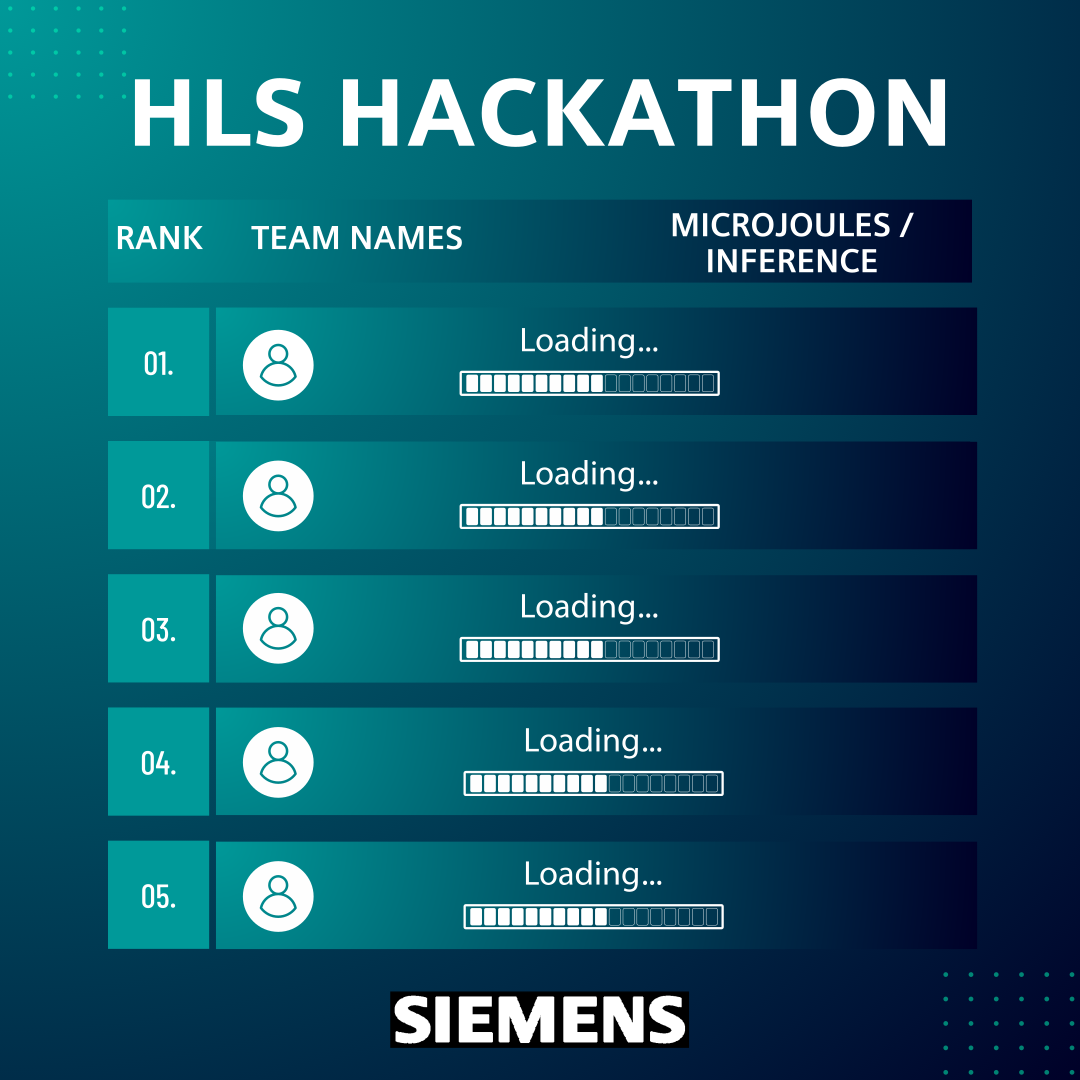
Check the leaderboard often to see how your design compares!
-
-
Leaderboard
-
Leaderboard
-
-
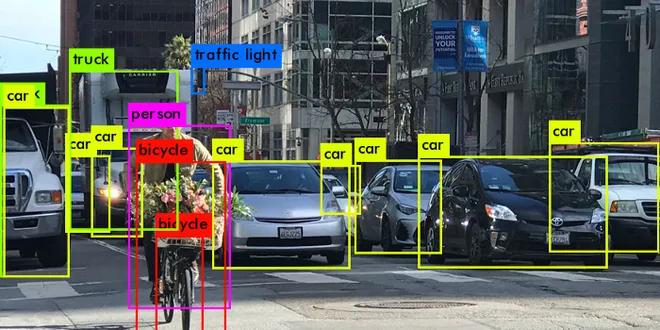
The Algorithm – roadside recognition
We’re going to be using an object recognition algorithm. It will recognize ten kinds of objects found on the side of the road. It will process an input of a 20x20 pixel image and try to match it to one of ten categories (really similar to MNIST).
While it processes a tiny image, we picked this because it's small enough to retrain in a few minutes, it's practical to run in logic simulation, and it can be characterized quickly. Bottom line, you’re going to be able to get through more design iterations faster. Which you’re going to need to zero in on the optimal architecture.
-
The Starting Line
-
The Starting Line
You’ll be given a virtual machine equipped with all the tools and IP you’ll need to build and characterize an ASIC implementation of your inferencing accelerator, courtesy of Siemens EDA. You’ll start with RocketCore RISC-V design, and a bare metal application that runs the recognition algorithm. Your job is to make the inference run faster than any software implementation could possibly go, all while your design sips tiny amounts of energy to get the job done.
-
-
Objectives Title
Objectives
-
-
Objective 1
First and foremost is accuracy. Your implementation will need to be able to correctly recognize 95% of the images from the MNIST database. Any less accurate, sorry, you won't make the cut.
-
Accuracy Image

-
-
-
Objective 2
Second, is performance. No slow-pokes allowed. Your inference must complete in less than 20 milliseconds.
-
Performance Image

-
-
-
Objective 3
Third, there's only so much space on the die. Whatever you build, it needs to fit into 10,000,000 square microns, based on the AISC library provided. This includes the area used by the accelerators and the memory needed to hold the weights and any intermediate values.
-
Area Image

-
-
-
Objective 4
Finally, if your design is accurate enough, fast enough, and small enough, then our panel of esteemed judges will evaluate it. No style points here, though. There’s just one thing we're looking at, and that is energy per inference. Remember Ohm’s law? Energy is power times time. We will measure the time it takes the inference to complete multiplied by the sum of the dynamic power and the leakage power, averaged over 10 inferences.
-
Energy Consumption Image
-
-
Objectives Conclusion
Will your strategy be to go as fast as possible? Or did you want your power to be as low as possible, but mosey through the calculations? Or perhaps the middle of the road, kinda fast and kinda low power? Check the leaderboard up top, weekly, to see how your design compares.
-
Winning Criteria
-
Winning Criteria Recap
The winning design will be the one that meets the accuracy, performance, and area criteria, and consumes the least average energy per inference. You'll be using PowerPro from Siemens EDA to measure the power of your combined hardware and software system.
May the best design win!
-
-
Do you have what it takes
-
Do you have what it takes?
Winning this hackathon will require a true renaissance engineer. The skills needed range from Python, machine learning, and system design to low level power optimization in RTL. C and C++ programming prowess is essential, as are hardware design techniques and a basic understanding of SystemVerilog.
-
-
Prizes, Trophies, and Bragging Rights
Of course, the winners will have bragging rights. Post it up on Linked-in that you won the High-Level Synthesis low-energy inferencing hackathon! Your achievements will reach legendary status.
But wait, there’s more. Winners of a hardware design contest deserve hardware. As one of the top 3 winners, you will get a tasteful trophy commemorating your victory. Suitable for a place of distinction in your office or cubicle, where your co-workers and managers can marvel at your awesomeness.There’s even more...
Actual prizes
🥇The first-place winner will receive a Elegoo’s Neptune 3D printer, and an opportunity to speak at the Edge AI foundation’s Fall Taipei event (physically or virtually) to tell the world in your own words how you reached such amazing heights of success. Literally, and we literally mean this “literally,” fame and fortune.
🥈The second-place winner will receive a Pynq FPGA development board from Digilent, to hone their skills for next year’s competition. The Pynq board combines an ARM processor with Python and AI capabilities with FPGA fabric from AMD.
🥉The third-place winner will receive a pair of Bose QuietComfort Earbuds. They'll likely be lost in a blissful bubble of iconic audio, completely undisturbed by mere mortals thanks to that renowned noise cancellation. With a relentless, long-lasting battery powering their escape, all neatly packed into a compact, durable design, who can blame them? If you're feeling a sudden pang of 'earbud envy' submit the form below and participate!
-
Submission Form
-
Log in notice
You must be logged in with your HLS Academy Full-Access Account or register for one.
-
-
Stuff our legal department made us put in